Have your plans ever been disrupted by a delayed or canceled flight? If you’re traveling for an important event, like a wedding or a cruise embarkation, you really need to get where you’re going, when you’re going. This is also true for positioning flights–when you’re traveling to get to the point of departure for a big international flight. But how can you guard against flight delays or cancellations, which are rarely predictable?
The answer is probably something you’ve never considered if you haven’t been using points and miles: you book a backup flight.

Most of us are accustomed to treating our airline reservations as if they’re set in stone. If we’re going to drop hundreds of dollars on a flight, you’d better believe we have every intention of taking it!
But it doesn’t have to be this way when you’re booking on points. Because change and cancellation policies for award tickets are typically quite generous in the US, you can book yourself a backup flight about as easily as you can make dinner reservations. This protects you if your inbound aircraft is late, or your crew times out, or your plane is sidelined by a mechanical issue. Here are some guidelines for booking backup flights.
Choose an Airline with No Cancellation Fee

You’re booking this flight with the intent to cancel it, so make sure you choose a program that allows you to cancel and get all your points and taxes and fees returned. Most domestic airlines waive change and cancellation fees on award tickets, so US-based carriers are good choices for backup flights. I like to maintain a modest amount of points in various domestic airline loyalty programs specifically for this reason.
Note that you are bound by the policies of the airline you booked with, not the airline you’re flying. If you booked a Delta flight through Virgin Atlantic, you will be dealing with Virgin’s cancellation policy, not Delta’s. And Virgin charges $100 per ticket to change or cancel a reservation. Ask me how I know.
Timing is Everything
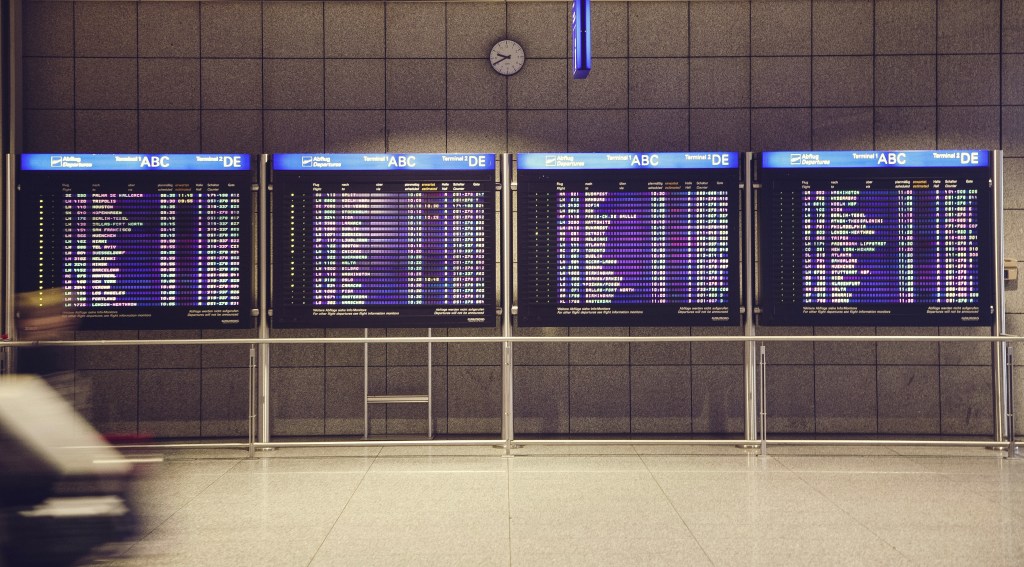
It’s also important to make note of how much time in advance of departure you must cancel in order to recoup your points. I like to use Southwest for backup flights because I can cancel up to ten minutes before departure. To the average traveler, this sounds like insanity–how can you truly not be sure if you’re taking a flight that departs in 30 minutes or an hour?! But if it’s your backup flight, you really might not know until then!
Which brings me to my second point about timing–make sure your backup flight is scheduled a bit later than your primary flight. Ideally, you’d be able to cancel your backup flight after you arrive at your destination. For example, if your primary flight is a two-hour flight that departs at 10am, a backup flight at 2pm is optimal. This way you’re not in a situation where you’re relying on intermittent in-flight wifi to cancel a backup flight that is scheduled to take off while you’re in the air.
Choose a Different Airline from Your Primary Flight
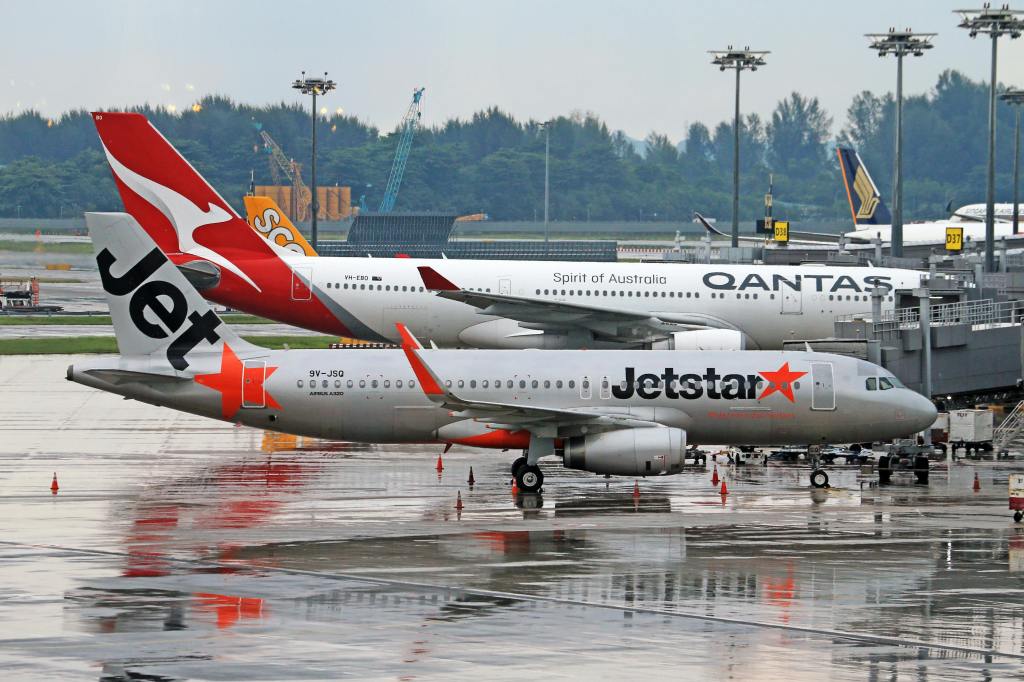
Airlines presume that their passengers are bound by the laws of physics, and therefore cannot be on both the 10am flight from New Orleans to Miami AND the 2pm flight from New Orleans to Miami. If you have two flights booked with the same airline on the same day, such that it is not physically possible for you to take both, the airline will do you the favor of canceling one for you. And you don’t know which one they’ll pick. Make sure your backup flight is booked with a different airline from your primary flight.
Parting Thoughts

I’ve employed this tactic for a positioning flight I’m taking from JFK to Boston later this year. We’re positioning to catch a business class flight to Portugal to start a week-long European trip, so getting to Boston on time is super important! I booked an early flight from JFK to Boston on American and a later backup flight on Delta, and felt relieved and secure.
Then late last summer, I read about a horrific thunderstorm that completely shut down JFK. No planes traveled in or out all morning. This sent a chill down my spine. My backup flight wouldn’t help me in this scenario.
It’s important to remember that even in 2025, when we can control so many things, there are many things about travel that are still out of our control. Backup flights are a good insurance policy, but not a perfect one. Know your own risk tolerance. If you really MUST be somewhere on a certain day, consider traveling the day before. If that’s not possible, backup flights are a good way to hedge your bets.

 Kate's on a Plane
Leave a comment